Your cart is empty
Looks like you haven't added anything to your cart yet


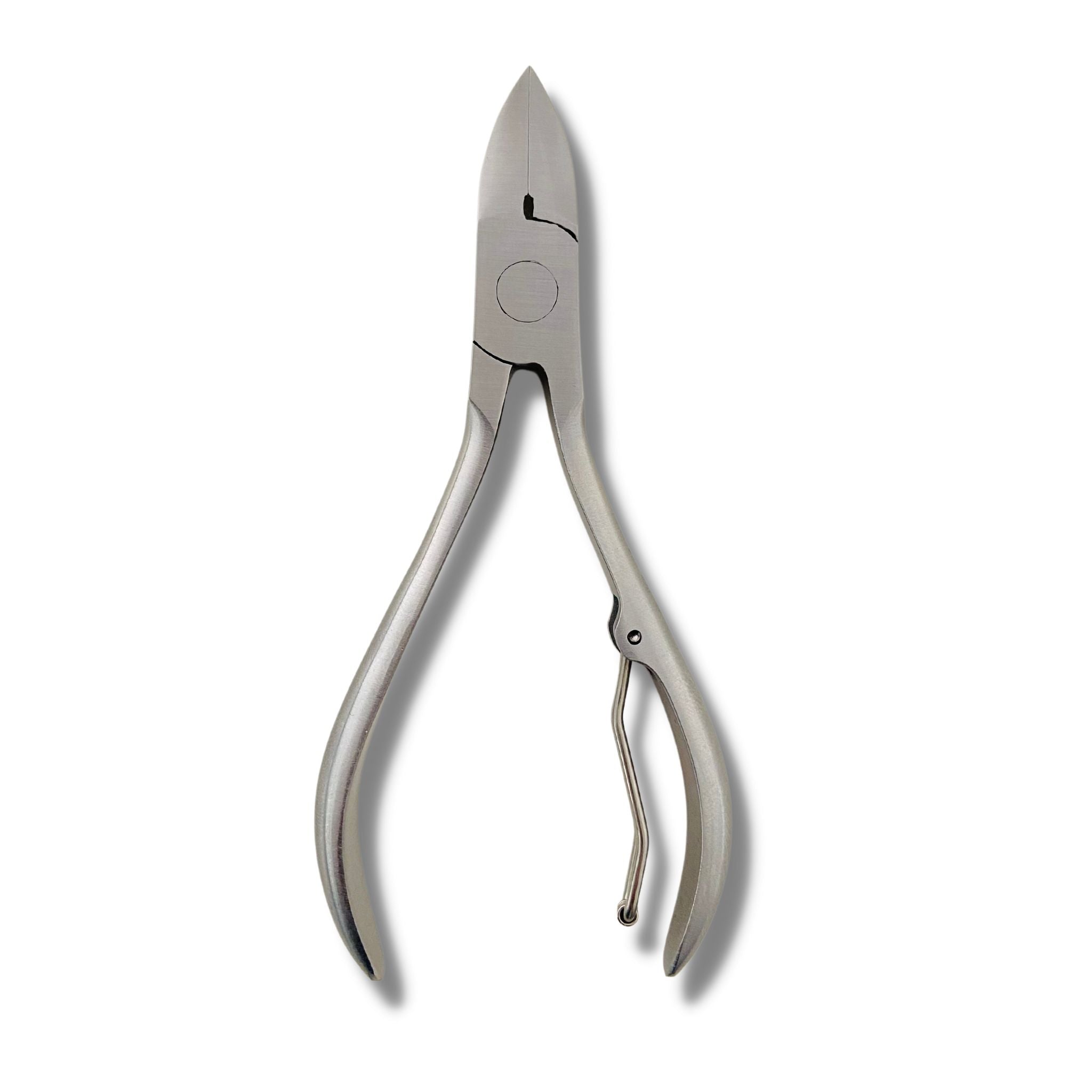


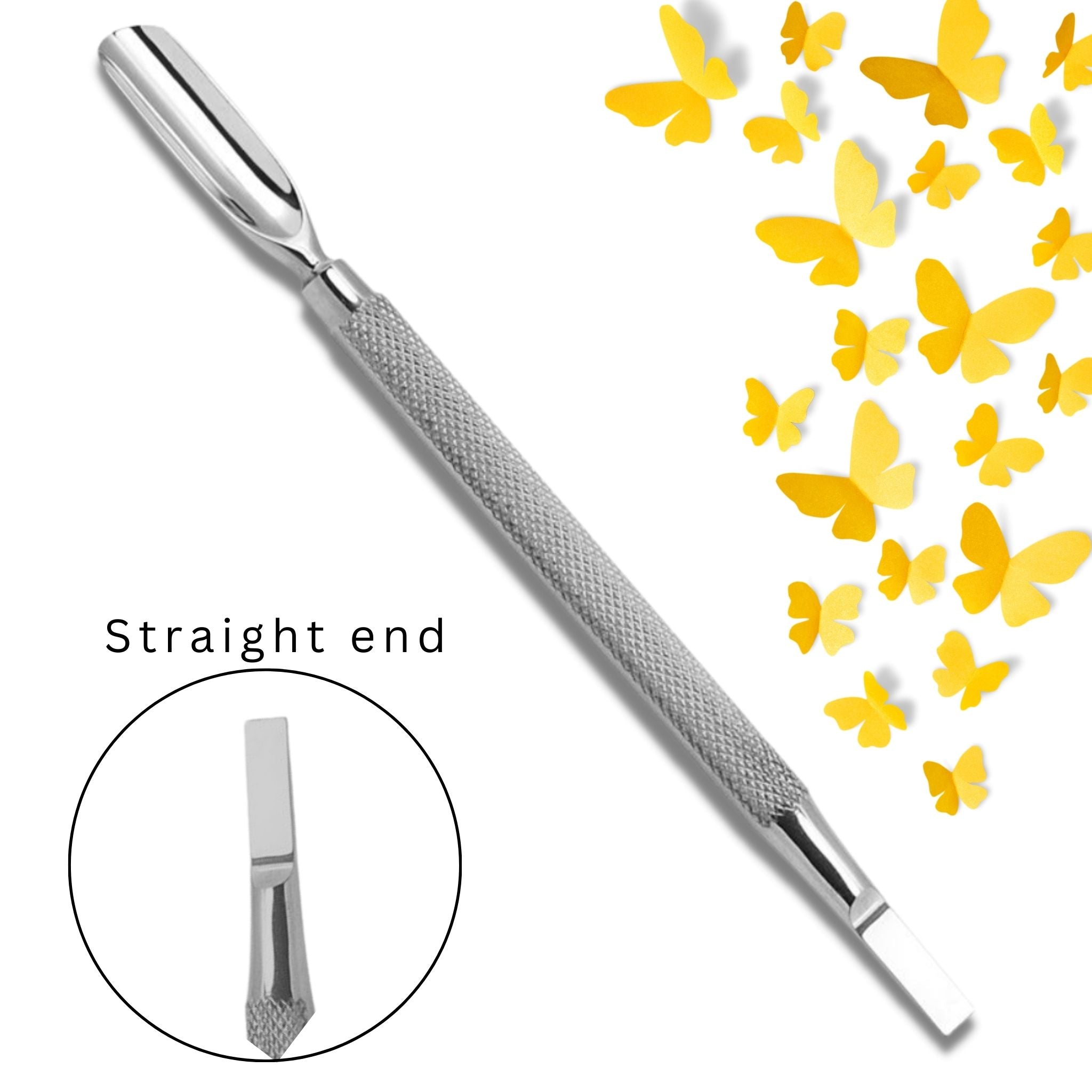




Instruments Care & Maintenance
VIVA INSTRUMENTS
Cleaning & Maintenance Guidelines
(For Podiatry, Surgical, and Nail Instruments)
At VIVA INSTRUMENTS, our tools are crafted from high-quality stainless steel for precision, durability, and long life. Proper care and maintenance are essential to ensure optimal performance, prevent rust/staining, and extend instrument lifespan. Please follow the guidelines below: OR click HERE to download pdf version.
1. General Handling
-
Handle instruments carefully to avoid damage, bending, or scratching.
-
Do not mix fine/sharp instruments with heavy tools during cleaning.
-
Inspect instruments before and after use for any damage or wear.
2. Cleaning Procedures
A. Pre-Cleaning
-
Immediately after use, rinse instruments under lukewarm running water (not hot, as this can coagulate proteins).
-
Remove all visible blood, tissue, and debris using a soft nylon brush.
-
Do not allow instruments to dry with contaminants on them.
B. Manual Cleaning
-
Prepare a pH-neutral, non-corrosive enzymatic cleaning solution.
-
Use a soft brush to clean joints, serrations, and hinges thoroughly.
-
Rinse with deionized or distilled water to prevent mineral deposits.
C. Ultrasonic Cleaning (Recommended)
-
Place instruments in the ultrasonic cleaner in an open position.
-
Do not overload trays – instruments should not touch each other.
-
Run for the manufacturer’s recommended cycle time.
-
Rinse thoroughly with deionized water after the cycle.
3. Sterilisation
Autoclaving
-
Ensure instruments are completely dry before sterilisation. (important step)
-
Place instruments in autoclave trays/pouches in an open position.
-
Follow standard autoclave settings: 134°C for 3–5 minutes or per your clinic’s sterilisation protocol.
-
Do not stack or overcrowd instruments inside the chamber.
Important Notes:
-
Avoid sterilising instruments with dissimilar metals together (risk of galvanic corrosion).
-
Never use bleach, saline, or harsh chemicals as they damage stainless steel.
4. Post-Sterilisation Care
-
Allow instruments to cool down completely before use or storage.
-
Apply a medical-grade instrument lubricant ("surgical milk") regularly, especially on hinges and joints.
-
Inspect instruments for smooth function, sharpness, and cleanliness before storage.
5. Storage
-
Store instruments in a clean, dry environment.
-
Keep in sterilisation pouches or covered trays until next use.
-
Avoid damp or humid storage conditions.
6. Common Causes of Rust/Stains & Prevention
| Cause | Prevention |
|---|---|
| Use of tap water (minerals cause stains) | Use deionized/distilled water |
| Incomplete drying after cleaning | Ensure instruments are fully dried before sterilisation/storage |
| Contact with bleach/saline solutions | Only use approved cleaning solutions |
| Overcrowding in autoclave | Place instruments loosely in open position |
| Lack of lubrication on hinges | Apply surgical lubricant regularly |
7. Periodic Maintenance
-
Sharpen cutting instruments as needed (nippers, scissors, etc.).
-
Replace instruments that are dull, bent, or damaged.
-
Keep a maintenance log for professional settings (clinics/salons).
VIVA INSTRUMENTS
Rust & Stain Removal Guidelines
(For Podiatry, Surgical, and Nail Instruments)
Our instruments are manufactured from premium-grade stainless steel for durability and long service life. However, stains or surface rust may occasionally appear due to improper cleaning, sterilisation, water quality, or storage conditions. The following steps outline recommended procedures to remove rust/stains and restore your instruments.
Rust & Stain Removal Guidelines
1. Identify the Issue
-
Stains: Usually brown, blue, or rainbow-colored spots caused by water deposits, detergents, or sterilisation residue.
-
Surface Rust: Orange/brown marks on the steel, often due to incomplete drying or contact with corrosive solutions (e.g., saline, bleach).
2. Rust & Stain Removal Procedure
Step 1: Pre-Rinse
-
Rinse instruments under lukewarm distilled or deionised water to remove loose debris.
Step 2: Apply a Stain Remover
Use a professional-grade cleaning solution specifically formulated for surgical/podiatry instruments. Popular options include:
-
Ruhof® (e.g., Ruhof’s Stainless Steel Cleaner & Instrument Stain Remover)
-
Medisafe (Rust & Stain Remover)
-
Integra Miltex® Instrument Cleaner
-
Ecolab® Sekusept™ / Neodisher® solutions
Follow the manufacturer’s dilution and application instructions carefully.
Step 3: Manual Cleaning
-
Use a soft nylon brush or non-abrasive cloth to gently scrub stained areas.
-
Avoid steel wool, abrasive pads, or hard brushes as they can damage the instrument’s surface.
Step 4: Rinse Thoroughly
-
Rinse with distilled or deionised water to remove all chemical residue.
Step 5: Dry Completely
-
Pat dry with a lint-free cloth and ensure no moisture remains, especially in joints or serrations.
Step 6: Lubricate (If Applicable)
-
Apply a surgical instrument lubricant ("instrument milk") to hinges and moving parts to restore smooth function and add corrosion resistance.
3. Preventive Measures
-
Always dry instruments fully before autoclaving.
-
Only use pH-neutral enzymatic detergents.
-
Avoid prolonged contact with saline, bleach, or harsh chemicals.
-
Store in a clean, dry, and ventilated environment.
-
Regularly use instrument lubricants to protect from wear and corrosion.
Disclaimer
Improper cleaning, sterilisation, or storage may cause staining, corrosion, or premature wear. VIVA INSTRUMENTS is not liable for issues caused by failure to follow recommended care guidelines.
- Choosing a selection results in a full page refresh.
