Your cart is empty
Looks like you haven't added anything to your cart yet








What Is Podiatry? A Guide to Foot Care & Podiatry Instruments
Podiatry is concerned with the health and care of the feet and lower limbs. For many people, the first time they come across a podiatrist is because of a troublesome toenail, hard skin, foot pain or another problem that has started affecting everyday life. But podiatry covers a much wider range of foot and lower-limb care.
Podiatrists work with people of different ages and may assess, manage and provide advice on a variety of foot-related problems. Alongside their knowledge and experience, they use specialist instruments designed for different aspects of professional foot care.
If you've ever wondered what podiatry involves, how it differs from everyday foot care, or why there are so many different types of podiatry instruments, this guide provides a useful introduction.
What Does a Podiatrist Do?
A podiatrist is a healthcare professional specialising in the feet and lower limbs. People may visit a podiatrist for many different reasons, ranging from routine nail and skin care to assessment of more complex foot problems.
Depending on the patient's needs and the type of appointment, a podiatrist may examine the feet, assess movement and function, provide advice, carry out appropriate foot-care procedures or recommend further treatment.
In the UK, podiatrist is a protected professional title, so anyone using it must meet the relevant registration requirements.
For patients, professional podiatry can be particularly important when a foot problem is persistent, painful, difficult to manage safely at home or associated with an underlying health condition.
Podiatry and Everyday Foot Care
Not every aspect of foot care requires a podiatrist.
Many people routinely look after their own feet at home, including washing and drying them carefully, moisturising dry skin and trimming their toenails. Good-quality tools can make routine nail care easier, particularly for people who find ordinary fingernail-style clippers too small or uncomfortable to use on toenails.
There is, however, an important distinction between personal foot-care tools and instruments intended for professional clinical procedures.
A nail nipper, for example, may be purchased by both a podiatrist and someone looking for a sturdy toenail-cutting tool at home. Specialist probes, forceps, scalpel handles and other clinical instruments, on the other hand, are primarily designed for trained professional use.
If you have diabetes, poor circulation, loss of sensation in your feet, an infection, significant pain or a nail or skin problem you are unsure about, it is sensible to seek advice from an appropriately qualified healthcare professional rather than attempting to treat it yourself.
What Instruments Do Podiatrists Use?
Open a podiatrist's instrument tray and you'll probably notice that many of the instruments look quite similar at first. Look more closely, however, and small differences in the blades, tips, curves, lengths and handles become apparent.
Those differences matter.
Here are some of the instruments commonly associated with professional podiatry and foot care.
Nail Nippers
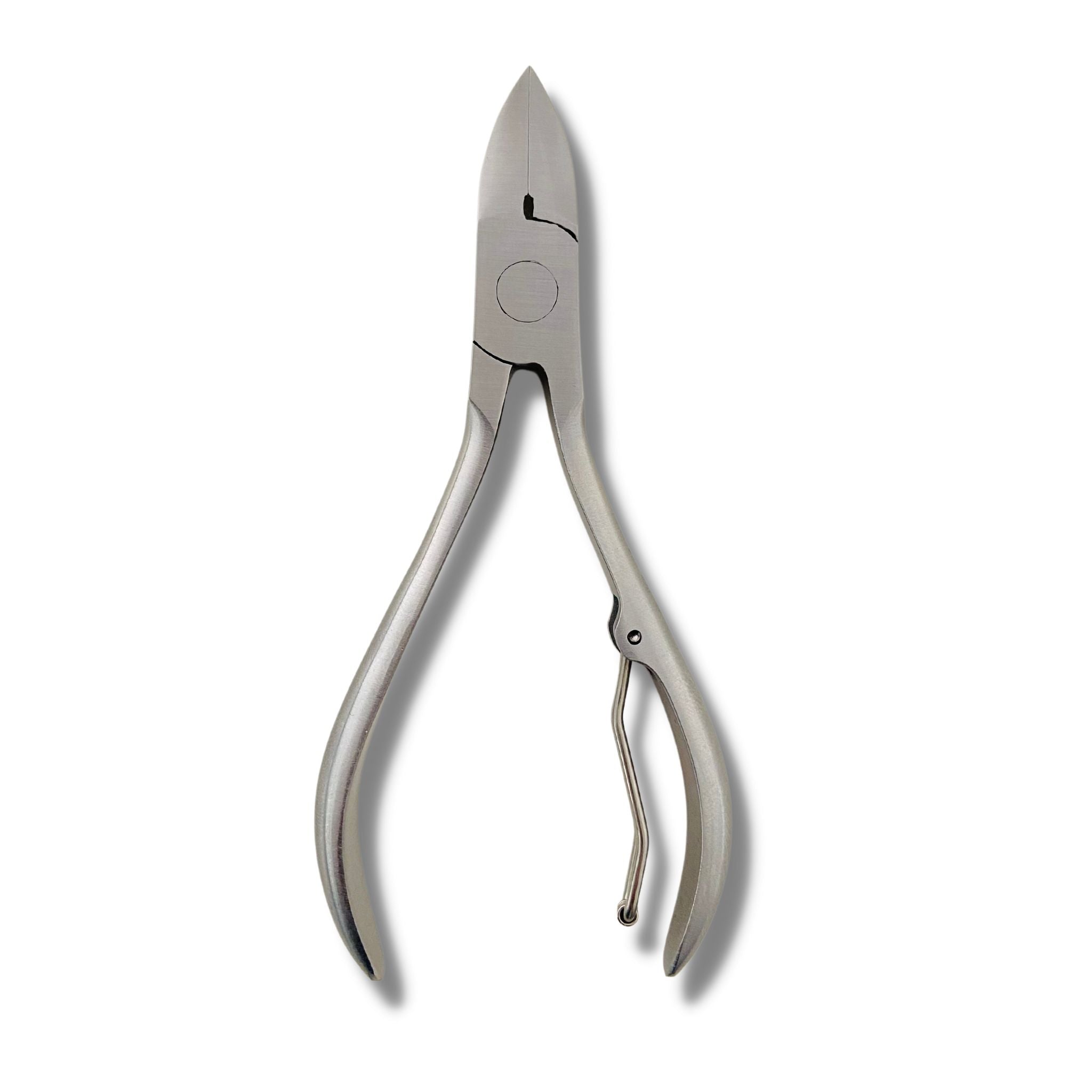
Nail nippers are among the most recognisable podiatry instruments. Their larger handles and specialised cutting jaws provide a different cutting action from conventional nail clippers.
There isn't one universal nail nipper. Different blade designs and instrument lengths suit different preferences and applications.
At Viva Instruments, for example, our range includes concave blade, straight blade, ingrown and cantilever nail nippers, as well as different sizes and finishes.
Concave Blade Nail Nippers
A concave nipper has a curved cutting edge designed to follow the general contour of the nail.
These are popular for routine toenail cutting and are available in different lengths. Some users prefer a compact nipper because it feels easier to control, while others prefer the leverage and feel of a longer handle.
This is one reason we offer our concave nippers in several sizes rather than assuming one size is right for everybody.
Straight Blade Nippers
As the name suggests, straight blade nail nippers have a straighter cutting edge.
The difference between straight and concave blades can appear quite small when looking at photographs online, but the cutting profile feels noticeably different in use. Professional users often develop a preference based on their technique and the type of work they regularly perform.
Ingrown Nail Nippers
Ingrown nail nippers generally have narrower, more pointed jaws than standard nail nippers, allowing greater precision around the nail.
Because of their more specialised design, they should be used with appropriate knowledge and care. Problems involving an ingrown toenail can sometimes require professional assessment rather than simply cutting the nail at home.
Blacks Files, Probes and Nail Elevators
Nippers are only one part of a podiatry instrument set.
Blacks files are fine, double-ended instruments commonly found in professional foot-care kits. Different patterns may feature straight and slightly curved working ends.
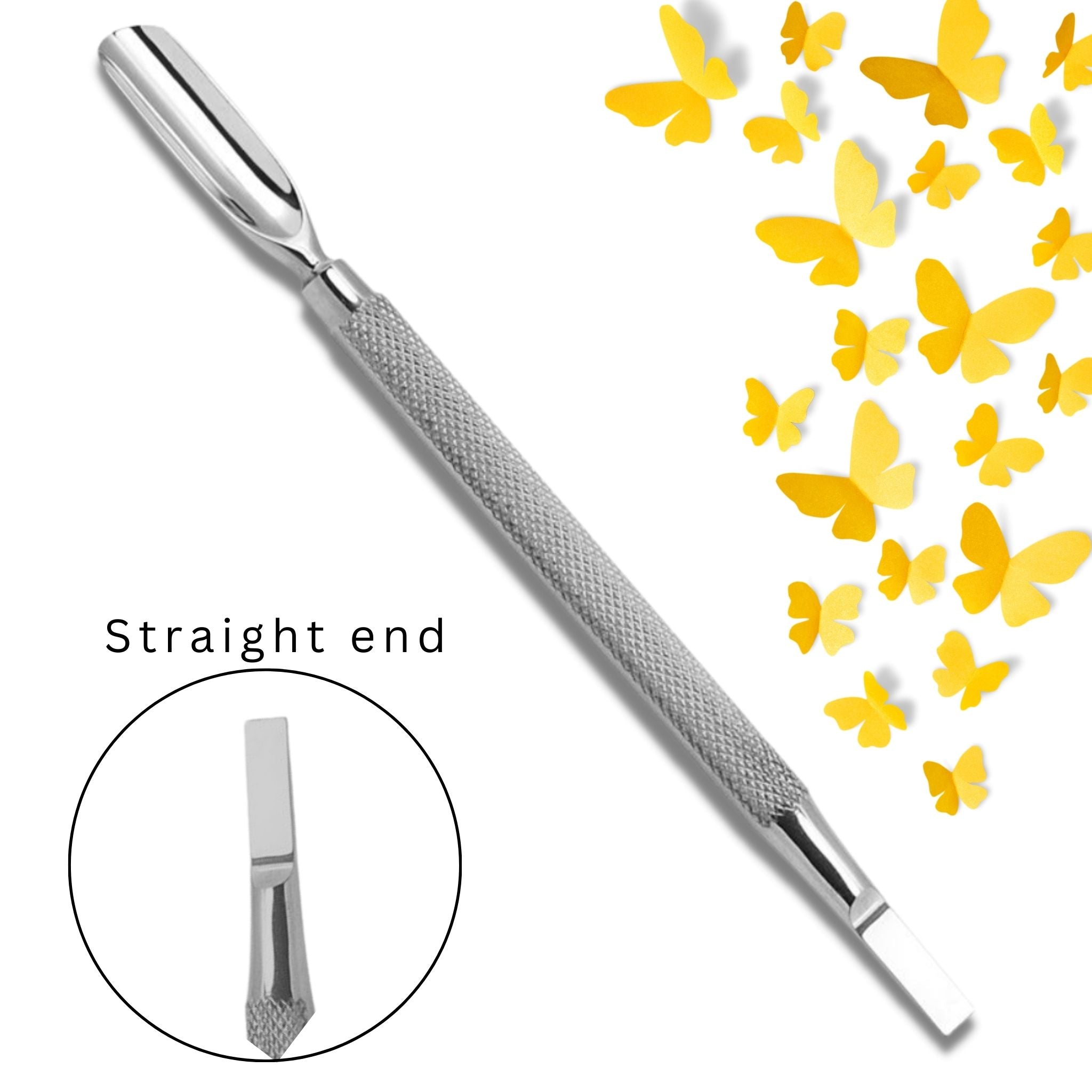
Probes and nail elevators are available in numerous shapes and patterns, with relatively small differences in their working ends determining how the instrument is handled and used.
For professional buyers, these details are often more important than appearance. Tip design, grip, instrument length and balance can all influence personal preference.
Forceps and Scissors
Podiatry practices may also use several types of forceps and scissors.
Dressing and dissecting forceps provide precision handling, while haemostatic forceps incorporate locking mechanisms and are available in different patterns and in straight or curved configurations.
Professional scissors similarly come in different shapes and sizes depending on their intended application.
Scalpel Handles
Reusable stainless steel scalpel blade handles are another familiar part of professional instrument ranges.
Different handle patterns are designed to accept compatible disposable blades. Because scalpels are sharp clinical instruments, their use requires appropriate professional training and procedures.
Why Stainless Steel Is Commonly Used
Stainless steel is widely used for reusable professional instruments because it combines strength, precision and corrosion resistance with the ability to withstand appropriate cleaning and sterilisation processes.
Many reusable Viva Instruments products are manufactured from AISI 420 stainless steel, particularly where hardness and a precise working or cutting edge are important.
However, stainless steel doesn't mean an instrument requires no care.
Reusable instruments should be cleaned and dried correctly after use. Hinged instruments such as nail nippers also benefit from appropriate maintenance and lubrication around moving joints.
Good instrument care can make a noticeable difference to both performance and service life.
What About Titanium-Coloured Instruments?
Gold, black and rainbow instruments have become increasingly popular, but there is an important distinction worth understanding.
When an instrument is described as titanium coated, this doesn't necessarily mean that the entire instrument is made from titanium.
Viva's titanium-finish instruments use stainless steel construction with a specialist coating. This allows professionals to choose a distinctive finish while retaining the underlying characteristics of the stainless steel instrument.
You'll find titanium-coated options across several of our nippers, files, probes, forceps and scalpel handles.
Choosing Podiatry Instruments
There isn't always a single "best" instrument.
For professional users, the right choice can depend on the procedure, blade or tip pattern, instrument length, grip and personal working preference.
For customers purchasing nail nippers for personal use, the decision is often simpler. Consider the size of the nipper, blade shape, handle design and the type of nails you intend to cut.
Don't automatically assume that the biggest nipper is the best choice. A smaller instrument can offer excellent control, while a longer nipper may provide a different grip and leverage.
Understanding these differences before purchasing can help you choose an instrument you're more comfortable using.
Professional Podiatry Instruments from Viva Instruments
Viva Instruments supplies a broad range of podiatry and chiropody instruments for podiatrists, chiropodists, foot health practitioners, clinics and other professional users. Many of our nail nippers and toenail clippers are also purchased by customers for personal foot care at home.
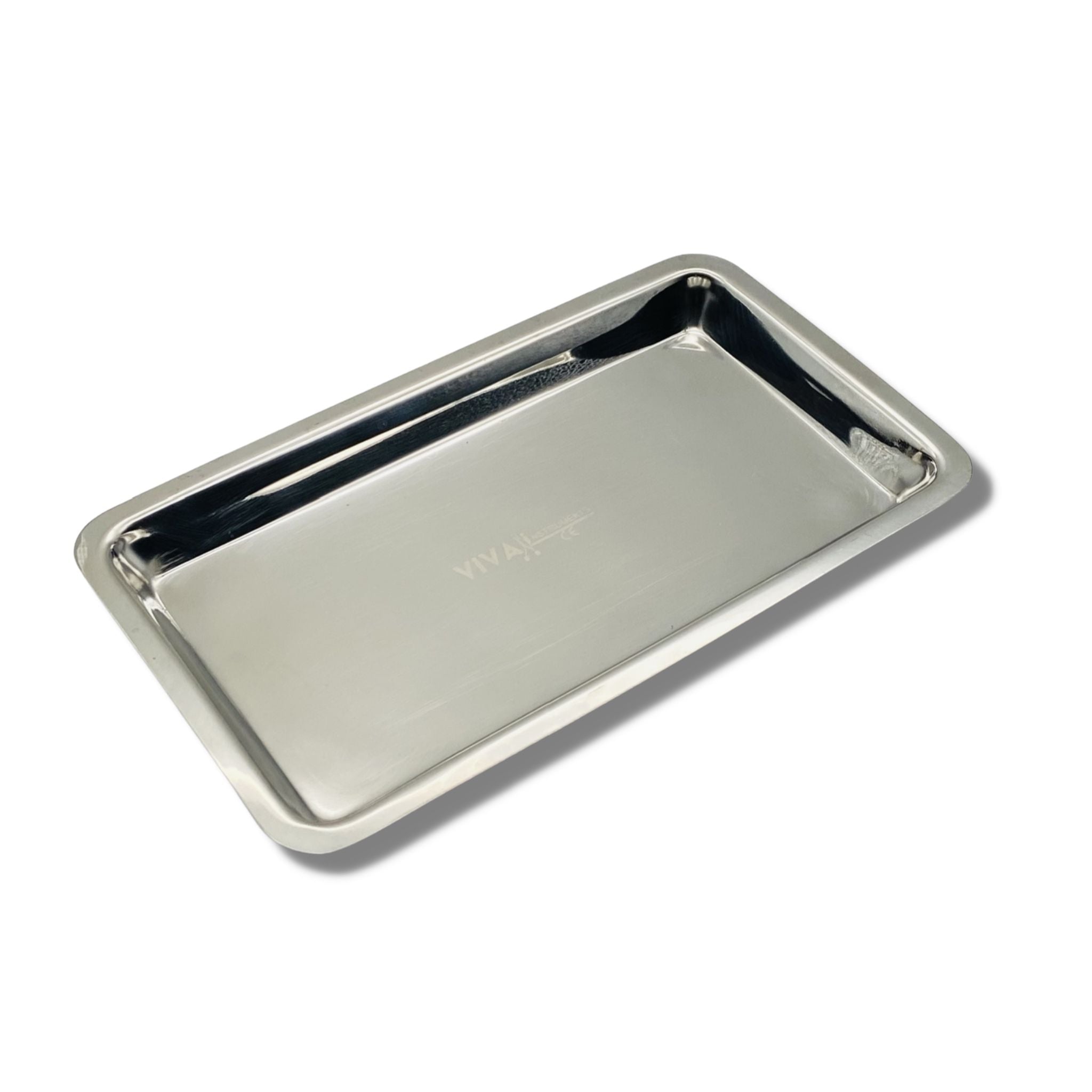
Our range includes nail nippers, Blacks files, probes, nail elevators, foot files and rasps, forceps, scissors, scalpel handles, drill bits, instrument trays and podiatry instrument sets.
Rather than treating every instrument as interchangeable, we offer different sizes, patterns and finishes so customers can choose according to their requirements and preferences.
- Choosing a selection results in a full page refresh.
