Your cart is empty
Looks like you haven't added anything to your cart yet








Caring for Ageing Nails
Caring for Ageing Nails: A Simple Guide to Safe, Healthy Foot & Hand Care
As we age, our bodies change in all sorts of subtle (and sometimes frustrating) ways. One shift that often catches people off guard is what happens to our hands and feet.
Over time, toenails and fingernails naturally become thicker, harder, more brittle, or oddly curved. Reduced mobility, arthritis in the joints, or diminishing eyesight can turn what used to be a quick five-minute trim into a genuinely challenging—and sometimes painful chore.
At Viva Instruments, we believe self-care should feel safe, manageable, and dignified at every stage of life. Whether you’re looking after your own nails or helping an ageing parent or loved one, here is a practical guide to elderly nail care, along with a step-by-step walkthrough on using professional podiatry instruments safely.
Why Do Ageing Nails Change?
Before diving into the "how-to," it helps to understand why nails change as the years go by.
Reduced Blood Flow: As circulation naturally slows down over time, fewer nutrients reach the nail matrix. This causes toenails to grow more slowly and become significantly thicker and harder.
Loss of Moisture: Just like skin loses elasticity, nails lose moisture as we age. This makes them brittle, ridged, and prone to splintering when cut.
Fungal Conditions: Fungal infections (like onychomycosis) become much more common with age, causing nails to discolour, crumble, or thicken dramatically.
Grip & Dexterity Changes: Conditions like arthritis or reduced hand strength make holding standard, tiny drug-store clippers almost impossible.
Ignoring nail health isn't just a cosmetic issue. Overgrown or improperly cut nails can cause severe discomfort when walking, lead to painful ingrown toenails, or trigger infections, especially for individuals managing diabetes.
Choosing the Right Tools for Older Nails
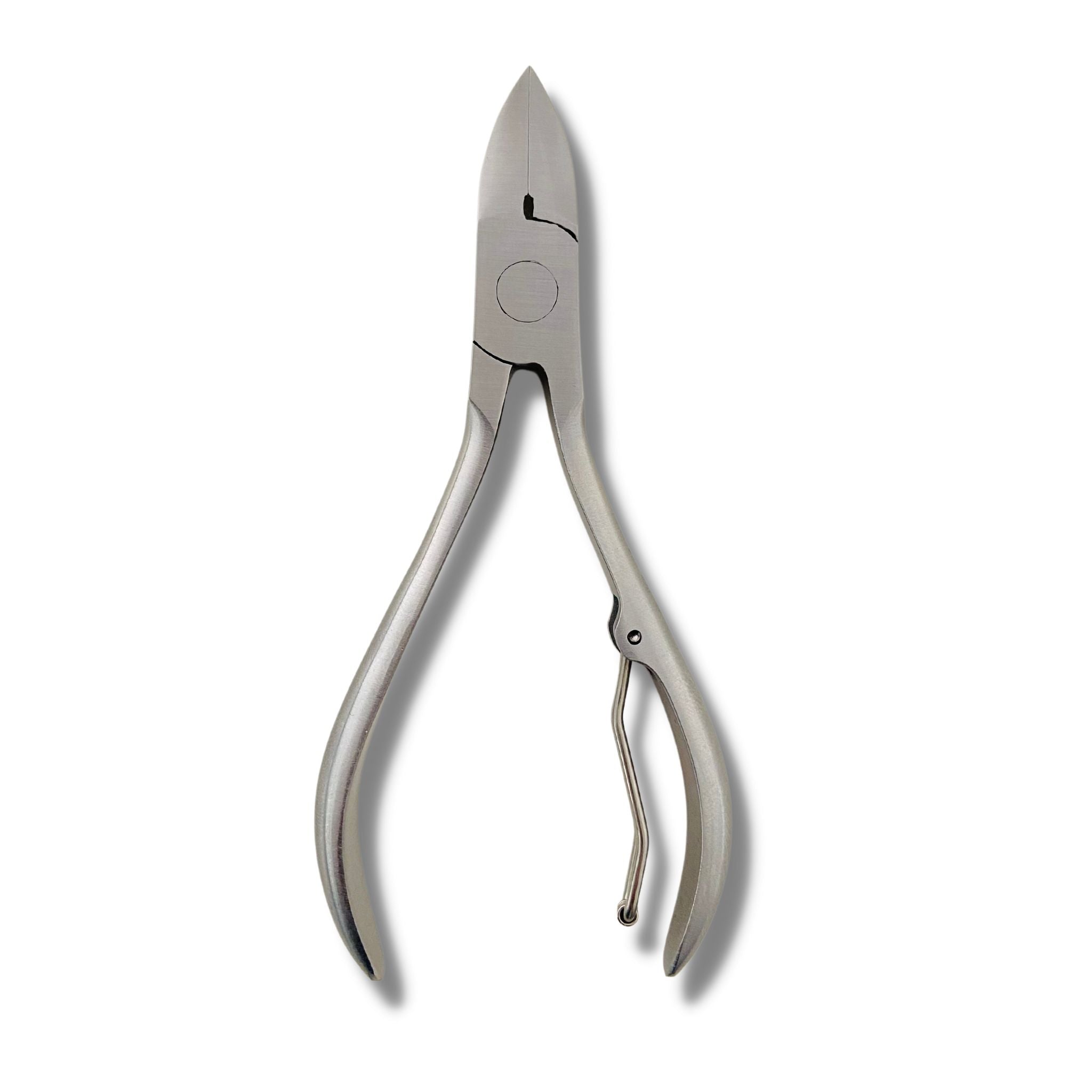
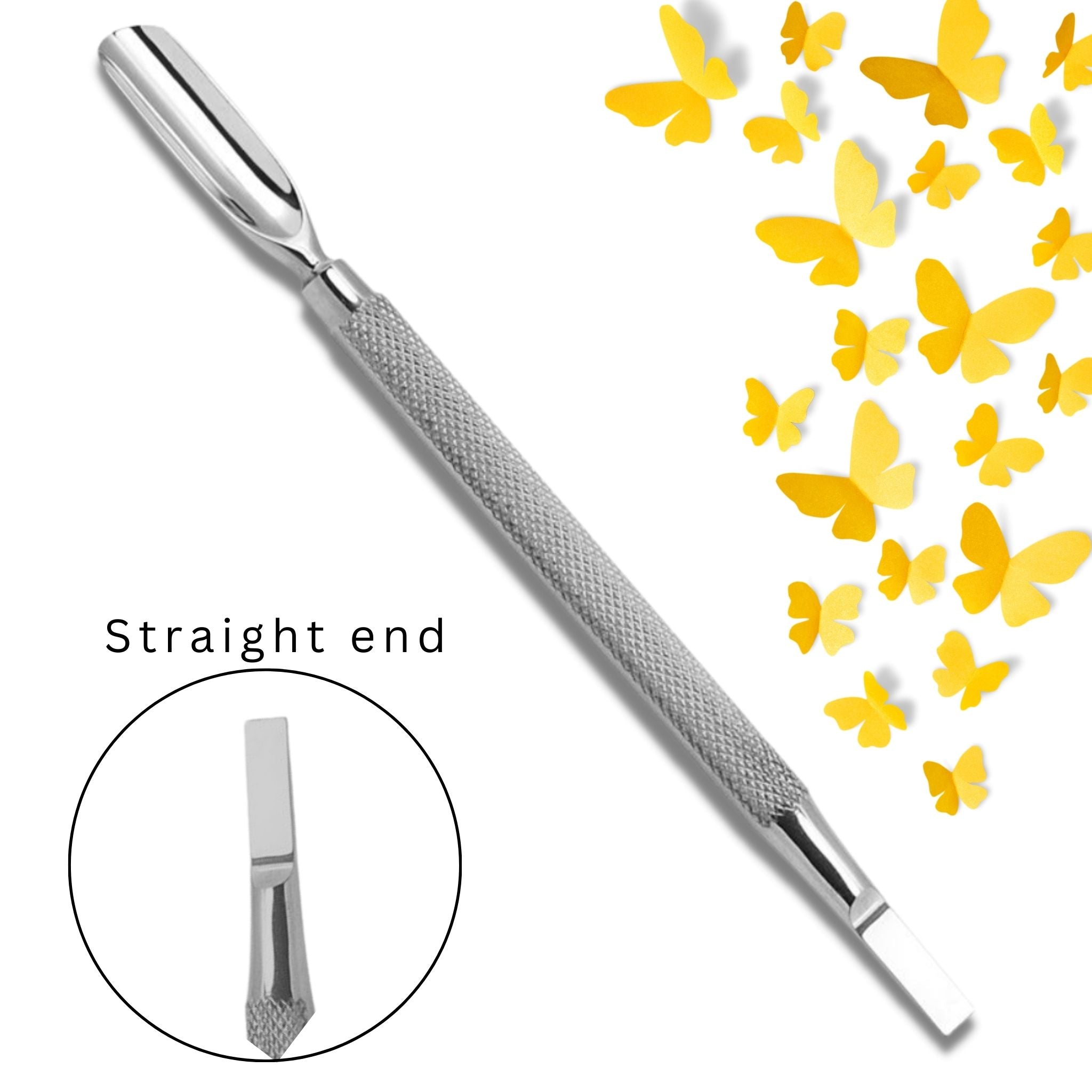
Using small, flat fingernail clippers on thick, hardened toenails is a recipe for frustration (and flying nail pieces!). Upgrading to purpose-built tools from our Viva Instruments Nail Nippers Collection transforms the experience entirely:
Cantilever & Heavy-Duty Nippers: If you or a family member has extremely thick or tough toenails, standard clippers simply won't cut it. A Cantilever Nipper uses a double-spring mechanism that multiplies your hand strength, allowing you to slice smoothly through dense nails with minimal squeeze effort.
Concave & Angled Blades: For precision around delicate nail edges, specialised concave nippers follow the natural curve of the nail without pinching surrounding skin.
Ingrown Toenail Nippers: If you are prone to tight corners, fine, tapered-tip nippers allow you to trim neatly across troublesome edges without digging into tender tissue.
The Step-by-Step Guide: How to Cut Thick, Ageing Nails Safely
Essential Safety Tips for Caregivers
If you are trimming the nails of an ageing relative or client, keep these extra guidelines in mind:
Ensure Bright Lighting: Position yourself under direct, clear light so you can distinctly see where the living nail bed ends and the free nail edge begins.
Watch for Diabetes or Neuropathy: If your loved one has diabetes or poor lower-limb circulation, even a minor skin nick can lead to serious non-healing wounds. In these cases, routine care should always be overseen by a licensed podiatrist or chiropodist.
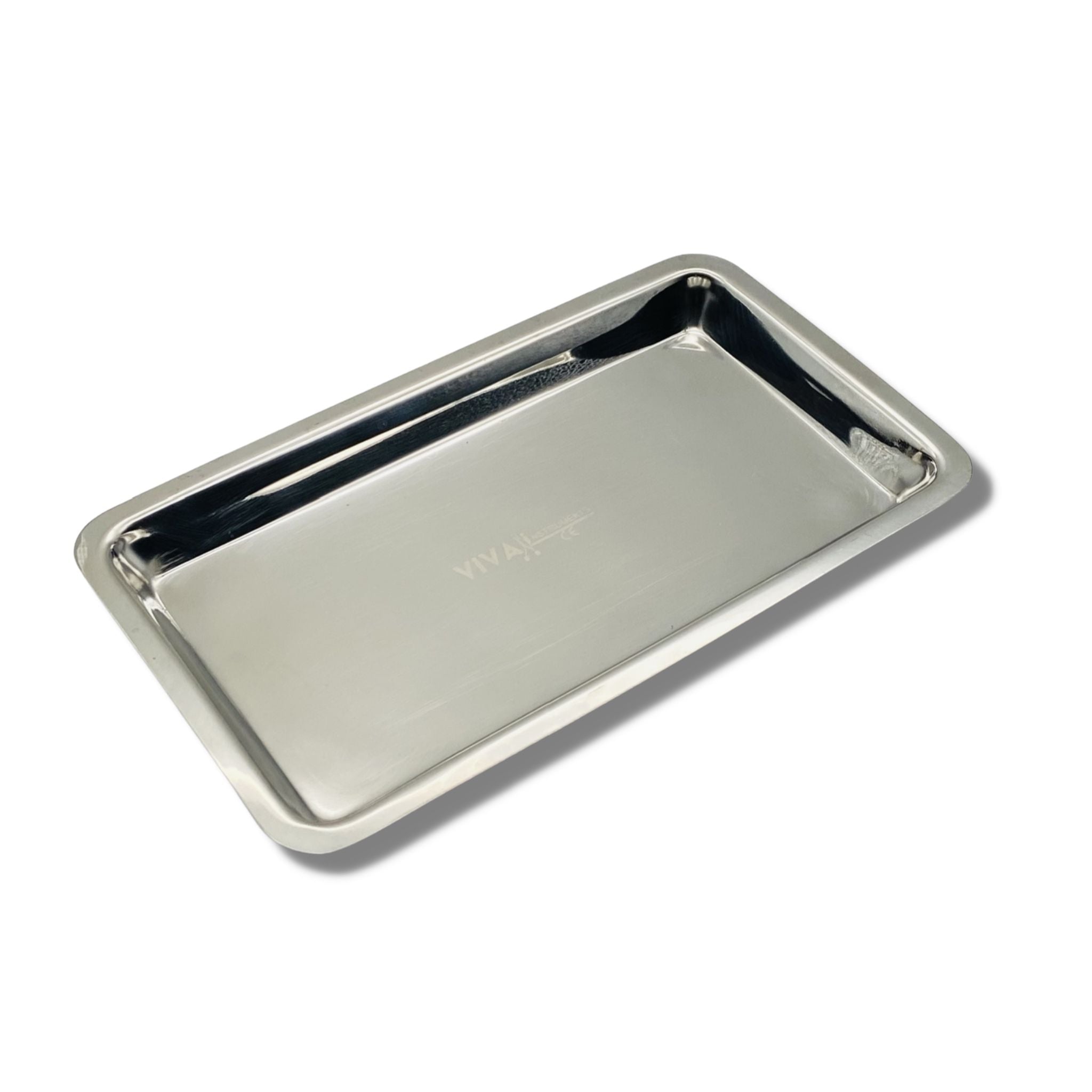
Keep Instruments Clean: Always sanitise stainless steel nippers with rubbing alcohol or hot, soapy water before and after every use to prevent transferring bacteria or fungal spores.
- Choosing a selection results in a full page refresh.
